
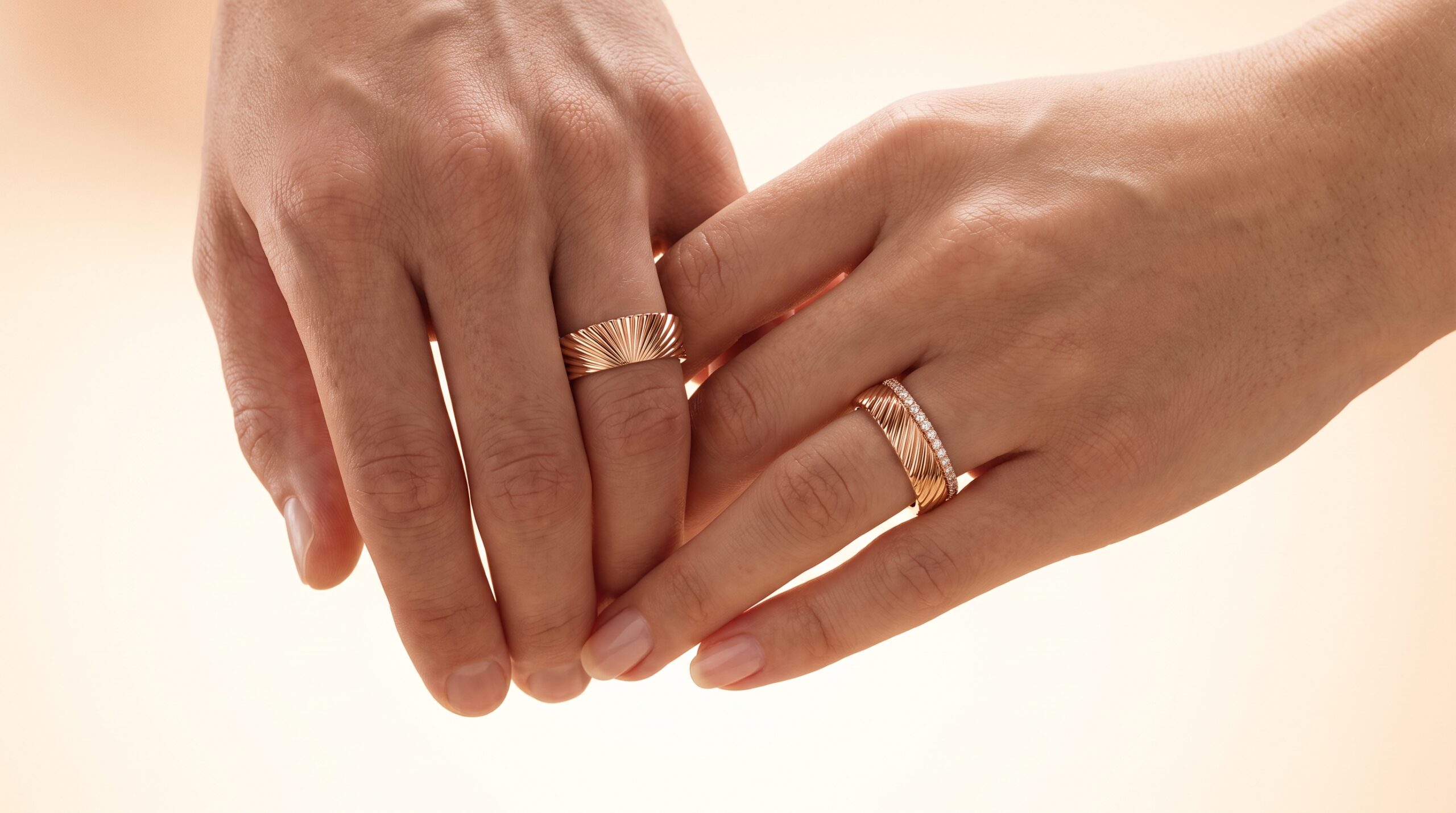
Modern wedding bands come in more materials than any previous era of jewelry: titanium, tungsten, ceramic, palladium, carbon fiber inlays, none of which were standard wedding band options a few decades ago. That variety is the appeal, and it’s also the source of most buyer confusion, since each material behaves differently on the hand and under the specific stress of daily wear.
This guide breaks down what actually distinguishes a modern band, compares the materials and finishes that define the category, and covers the practical details, sizing, comfort, care, that determine whether a ring you like in a photo still works for you five years into wearing it.
What Is a Modern Wedding Band?
Modern wedding band design centers on clean lines, minimalist profiles, and materials that didn’t exist in traditional bridal jewelry a century ago. Matte finishes, brushed textures, and simple geometric proportions define the look more than any specific metal does. Alternative metals like titanium and tungsten fit naturally into this category because their industrial origin (both were developed for aerospace and manufacturing applications before entering jewelry) suits the pared-down aesthetic buyers associate with “modern.”
What modern bands typically leave out is just as defining as what they include. Ornate vintage detailing, heavy hand engraving, filigree, and old-world decorative motifs (the hallmarks of Victorian or Edwardian styles) rarely show up in modern design, which favors restraint over ornamentation.
| Style | Design Language | Typical Materials |
| Modern | Clean lines, minimalist, matte or brushed finishes | Titanium, tungsten, ceramic, palladium, hybrid inlays |
| Traditional | Polished, classic proportions, simple decorative elements | Yellow gold, white gold, platinum |
| Vintage | Ornate detailing, era-specific motifs, ornamental settings | Yellow gold, platinum, filigree work |
Why Modern Wedding Bands Appeal to Today’s Buyers
The appeal comes down to a few practical and aesthetic advantages working together. Low-maintenance styling suits buyers who don’t want a ring that requires frequent polishing or replating. Everyday comfort matters more to buyers who wear their band through manual work, exercise, and constant daily activity than it did in eras when a wedding ring was reserved for more occasional wear. Material variety allows for real personal expression, from the industrial look of brushed titanium to the technical contrast of a carbon fiber inlay. And modern bands generally pair well with contemporary engagement ring settings, since both share the same restrained design language.
For a quick read on fit: minimalist style points toward ceramic or matte titanium, active lifestyles point toward lightweight, impact-tolerant metals, personalization points toward hybrid inlays and mixed materials, and contemporary pairing with an existing engagement ring points toward simple, clean-lined bands in a matching or complementary metal.
Popular Modern Wedding Band Materials Explained
Titanium is lightweight, strong, and generally more affordable than precious metals, which makes it a common entry point into alternative-metal wedding bands. It holds up well to daily activity but does show visible scratching over time, since it’s softer than tungsten or ceramic. For buyers who prioritize comfort and an active-friendly weight over maximum scratch resistance, titanium is a practical default.
Tungsten carbide resists scratches better than almost any other ring material, holding a polished finish through years of contact. That same hardness makes it brittle: tungsten can crack or shatter under a hard direct impact in a way more flexible metals don’t. It’s heavier than titanium, which some buyers like for the substantial feel, and it cannot be resized under any circumstances.
Ceramic wedding bands offer a sleek, minimalist look with a genuinely lightweight feel, often lighter than titanium. The material resists scratching well but is prone to chipping at the edges under a hard impact, a different failure mode than tungsten’s cracking but a similar underlying tradeoff: high surface hardness paired with brittleness under force.
Carbon fiber inlay bands combine a metal base, often titanium or tungsten, with a carbon fiber strip or pattern set into the band, creating a technical, high-contrast look. The inlay adds a distinctive visual element but introduces its own care considerations, since the inlay material behaves differently from the surrounding metal and needs to be inspected separately over time.
Palladium offers a platinum-like white appearance at a lighter weight and generally lower cost than platinum itself. It resists tarnish well and carries a premium feel without platinum’s density. Like most metals in this category, it will show some scratching over years of wear, though it holds its structural integrity well.
| Material | Look | Weight | Scratch Resistance | Impact Resistance | Resizable? | Best For |
| Titanium | Matte or brushed, industrial | Light | Moderate | High | No | Active lifestyles, lightweight preference |
| Tungsten | High polish, substantial | Heavy | Very high | Low (brittle) | No | Low-impact daily wear |
| Ceramic | Sleek, uniform, matte or glossy | Very light | High | Low (can chip) | No | Minimalist style, low-impact wear |
| Carbon fiber inlay | High-contrast, technical | Varies by base metal | Varies by base metal | Varies, plus inlay-specific care | Usually no | Statement style, personalization |
| Palladium | Bright white, platinum-like | Light to moderate | Moderate | High | Often yes | Premium look without platinum’s weight |
Scratch Resistance vs Impact Resistance
These measure two different things, and mixing them up leads to real disappointment down the line. Scratch resistance describes how well a material resists surface marks from everyday friction and contact. Impact resistance describes how well it handles a sudden, forceful blow. A material excelling at one doesn’t guarantee it excels at the other.
Tungsten is the clearest example: extremely scratch resistant, but brittle enough that a hard impact can crack or shatter it outright. Titanium runs in the opposite direction: it scratches more visibly over time but flexes or dents rather than cracking under force. Ceramic shares tungsten’s general pattern, hard and scratch resistant, but vulnerable to chipping at the edges under impact.
| Material | Resists Scratches | Resists Impact | Buyer Note |
| Tungsten | Very well | Poorly (brittle) | Best for low-impact daily wear |
| Titanium | Moderately | Well (flexes) | Better suited to active use |
| Ceramic | Well | Poorly (can chip) | Best for low-impact, minimalist wear |
| Palladium | Moderately | Well | Reasonable balance for daily wear |
Choosing a Modern Wedding Band for Your Lifestyle
For active jobs or hands-on work, lightweight metals like titanium hold up better than brittle, hard materials, since they’re more likely to dent than crack under repeated impact. A lower-profile design also reduces the chance of catching on tools, gloves, or equipment.
For desk work or generally low-impact daily wear, tungsten’s scratch resistance and polished appearance become more of an asset than a liability, since the impact risk that makes it a poor fit for manual work is less relevant in an office setting.
For minimalist style specifically, ceramic, matte titanium, and simple palladium bands all deliver a clean, understated look without heavy ornamentation.
For a statement or tech-inspired aesthetic, carbon fiber inlays and other hybrid material combinations offer visual contrast and personalization that a plain metal band doesn’t provide, at the cost of somewhat more specific care requirements.
| Lifestyle | Best Materials | Features to Prioritize | Materials to Approach With Caution |
| Active jobs, hands-on work | Titanium, palladium | Low profile, impact tolerance | Tungsten, ceramic (brittle under force) |
| Desk work, low-impact wear | Tungsten, polished finishes | Scratch resistance, appearance | None specifically ruled out |
| Minimalist style | Ceramic, matte titanium, palladium | Clean lines, understated finish | Heavily detailed hybrid designs |
| Statement or tech-inspired style | Carbon fiber inlay, hybrid metals | Personalization, contrast | Materials requiring frequent resizing flexibility |
Modern Wedding Band Finishes
A polished finish gives a bright, reflective look that reads as classic and modern at once, but it shows scratches more visibly than a textured surface, since light catches every mark on a smooth reflective surface.
A matte finish offers a softer, understated look that’s become one of the defining features of contemporary wedding band design. It generally hides fine surface scratches better than a high polish, though it may need periodic refinishing by a jeweler to maintain its original texture as it wears.
A bead-blasted finish creates a textured, slightly rougher surface using a fine abrasive process, giving an industrial modern feel. Like matte, it tends to mask small scratches better than polished surfaces, since the existing texture already breaks up light reflection.
None of the three is objectively better. Polished suits buyers who want maximum shine and don’t mind visible wear over time. Matte and bead-blasted suit buyers who want a look that ages more gracefully day to day, in exchange for a less reflective, more understated appearance.
Comfort Fit and Width Considerations
Comfort fit describes a rounded interior edge on the inside of the band, rather than a flat one, designed to feel smoother against the finger during movement and everyday wear. It matters more with rigid, non-flexible metals like titanium, tungsten, and ceramic, since those materials can’t adjust to the finger’s shape the way a softer metal can.
Modern wedding bands commonly run from about 4mm to 8mm in width. Narrower widths in the 4 to 5mm range read as more subtle and tend to feel less noticeable during the day. Wider bands, 7 to 8mm and up, feel more substantial and make more of a visual statement, but they can also feel tighter at the same stated ring size, since more material is in contact with the finger. Comfort-fit construction helps offset that tightness, which is part of why it’s especially worth prioritizing on wider modern bands.
| Width | Visual Effect | Comfort Consideration | Best For |
| 4-5mm | Subtle, understated | Generally comfortable at standard sizing | Minimalist style, first-time ring wearers |
| 6mm | Balanced, noticeable but not bold | Comfort-fit recommended | Most everyday wear |
| 7-8mm+ | Substantial, statement-making | Comfort-fit strongly recommended | Buyers who want a bold presence |
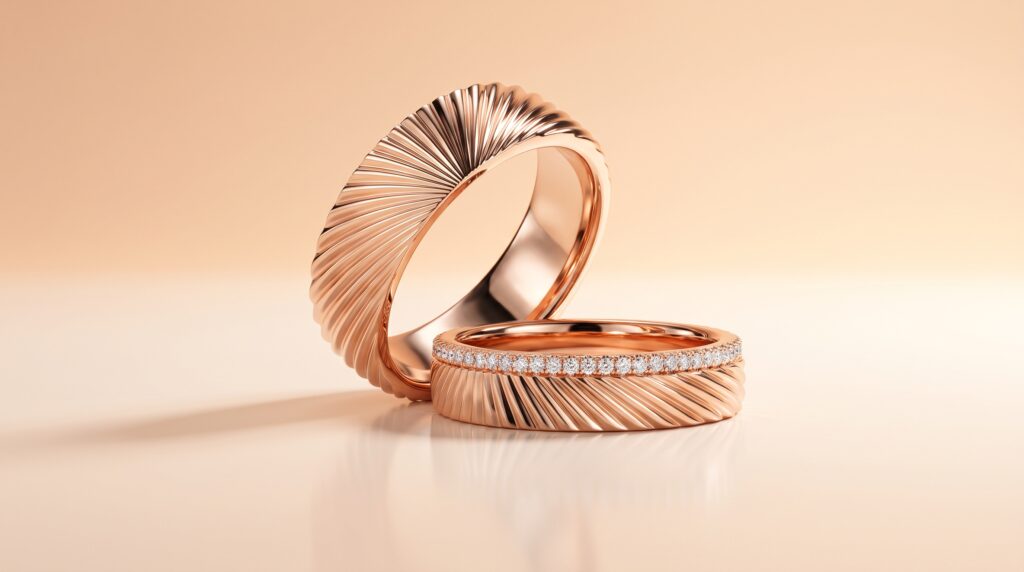
Can Modern Wedding Bands Be Resized?
Several common modern materials are difficult or impossible to resize. Tungsten cannot be resized at all, since the material is too hard for standard jewelry tools to cut or reshape. Ceramic shares this limitation for similar reasons. Carbon fiber inlay bands are generally not resizable either, since the resizing process would disturb the inlay itself. Hybrid construction, combining multiple materials, often inherits whichever material in the combination is least flexible.
Because of these limitations, accurate sizing matters more with modern alternative-metal bands than it does with traditional gold. Use a proper sizing kit rather than guessing from an old ring, and measure at the end of the day when fingers tend to be at their largest, since morning measurements can run smaller. Account for temperature too: fingers often swell slightly in heat and shrink in cold, so a measurement taken in unusually warm or cold conditions may not reflect your typical size.
Before buying, check the retailer’s exchange policy specifically for sizing issues, review resizing terms if the material allows any adjustment at all, confirm what the warranty covers, and ask about replacement options if a size exchange isn’t possible after the ring has been worn.
How to Care for a Modern Wedding Band
For everyday cleaning, use a microfiber cloth with mild soap and water, and dry the ring thoroughly afterward rather than letting it air dry. This works well across titanium, tungsten, ceramic, and palladium alike. Following general jewelry care principles like these, similar to the safe cleaning guidance GIA recommends for jewelry more broadly, helps avoid unnecessary wear from harsh handling.
Matte and textured finishes need a slightly different approach: avoid abrasive cleaning pads or brushes, which can smooth out the texture unevenly, and expect the finish to shift gradually with wear regardless of how carefully it’s cleaned; that’s a normal characteristic of the finish, not a defect.
Hybrid and inlay rings need periodic visual inspection specifically around the inlay material, since it may respond differently to moisture, chemicals, or impact than the surrounding metal. If the retailer provides material-specific care guidance for the inlay, follow it rather than treating the whole ring as a single uniform material.
| Ring Type | Cleaning Method | Avoid | Maintenance Note |
| Titanium, palladium | Mild soap, microfiber cloth | Abrasive cleaners | Occasional professional polish if desired |
| Tungsten | Mild soap, microfiber cloth | Harsh chemicals, hard impact | Rarely needs attention beyond cleaning |
| Ceramic | Mild soap, microfiber cloth | Hard impact, edge chipping risk | Handle with care around edges |
| Carbon fiber inlay | Follow manufacturer-specific guidance | Excess moisture exposure where noted | Inspect inlay periodically for changes |
What to Look for When Buying Modern Wedding Bands Online
A trustworthy product listing should state the exact material composition, not a vague category name, along with the specific finish type, width, whether the band is comfort-fit, resizing terms, and warranty coverage. Visual documentation should go beyond a single polished photo: look for 360-degree video or multiple angles, close-up shots of the finish texture, and detailed inlay photos if the design includes one, since these details are hard to judge from a single glamour shot.
Red flags include listings relying only on stock photos rather than real product images, vague metal descriptions that don’t specify the actual alloy or material grade, no stated warranty, unclear return or exchange terms, and missing sizing guidance. The American Gem Society maintains ethical and educational standards for member jewelers, which is a reasonable reference point if you’re trying to evaluate whether a retailer has recognized credentials.
Frequently Asked Questions
Are modern wedding bands durable?
Generally, yes, though durability depends heavily on the specific material and how it’s worn. Titanium, tungsten, ceramic, and palladium are all capable of holding up to years of daily wear, but each has a different failure mode: tungsten and ceramic can crack or chip under hard impact despite excellent scratch resistance, while titanium and palladium are more impact-tolerant but show surface scratches more readily. Durability isn’t one single property; it depends on which kind of wear and tear matters most for your daily life.
Is titanium or tungsten better for a wedding band?
Neither is universally better. Titanium is lighter and more impact-resistant, flexing or denting rather than cracking under force, which suits active lifestyles and hands-on work. Tungsten is significantly more scratch-resistant and holds a polished look longer, but it’s brittle and can crack under a hard direct impact, making it better suited to lower-impact daily wear. The right choice depends on which property matters more for how you’ll actually wear the ring.
Can tungsten wedding bands be resized?
No. Tungsten carbide is too hard for standard jewelry resizing tools to cut or reshape safely. Getting an accurate size before ordering is essential, since there’s no fallback adjustment available once the ring is made.
Are modern wedding bands hypoallergenic?
It depends on the specific material and alloy rather than the general “modern” category. Titanium in pure grades is generally well tolerated by sensitive skin. Tungsten carbide often includes a binder metal, sometimes cobalt or nickel, that can be a concern for buyers with known sensitivities, so checking the specific composition matters more than assuming any alternative metal is automatically hypoallergenic.
Do matte wedding bands scratch?
Yes, matte finishes aren’t scratch-proof, but they tend to hide fine surface marks better than a high polish, since the existing texture already diffuses light rather than reflecting it cleanly off a smooth surface. Over time, a matte finish will show some wear and may benefit from periodic professional refinishing to restore its original texture.
What is the best modern wedding band for active lifestyles?
Titanium is generally the strongest fit for active lifestyles, since it combines a lightweight feel with good impact resistance, flexing or denting rather than cracking under the kind of repeated contact that comes with manual work, exercise, or hands-on activity. Palladium is a reasonable alternative if a lighter-weight precious metal option is preferred over an alternative metal.
Are carbon fiber inlay rings hard to maintain?
They require somewhat more specific care than a plain metal band, since the inlay material behaves differently from the surrounding metal base and may respond differently to moisture or impact. It’s not high-maintenance in the sense of frequent upkeep, but it does mean checking manufacturer-specific care guidance for the inlay rather than treating the ring as a single uniform material during cleaning and inspection.