
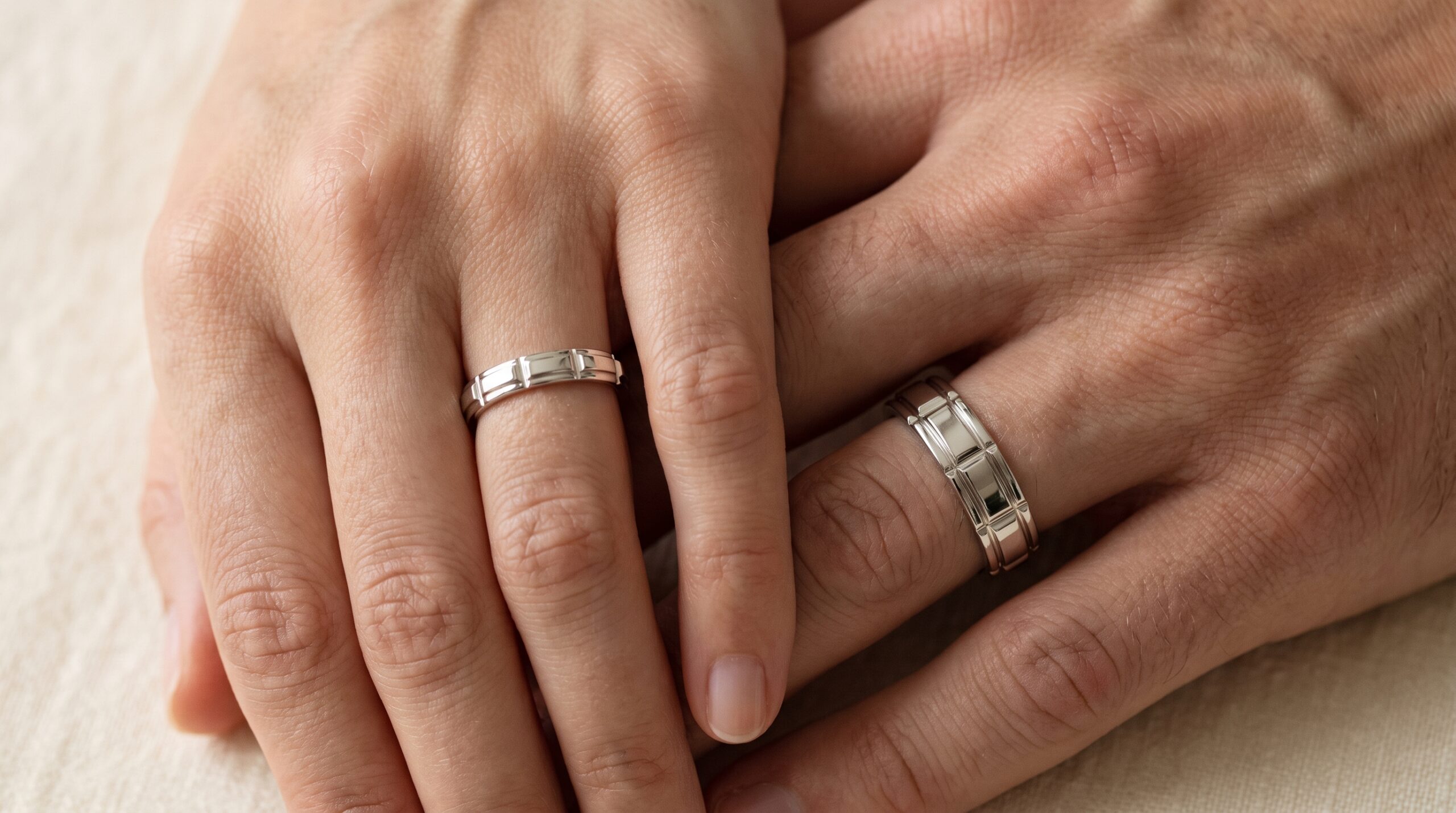
A lower price tag on a wedding band doesn’t automatically mean a weaker ring. Some of the most durable wedding band materials on the market, titanium, tungsten, stainless steel, cobalt chrome, cost less than traditional gold or platinum, not because they’re inferior, but because the manufacturing process and material cost work differently. The real question isn’t whether an affordable band can last. It’s which affordable material actually fits how you plan to wear it every day.
This guide compares the materials that show up most often in the budget-friendly category, explains where the real trade-offs are, and covers what to check before buying online so a lower price doesn’t mean a lower-quality purchase.
What Makes a Wedding Band Budget Friendly?
Price in wedding bands comes down to a few concrete factors: the raw material cost, the amount of labor involved in shaping and finishing the ring, and the design complexity. A simple, unadorned band costs less to produce than one with intricate settings, multiple stones, or hand-finished detailing, and that difference has nothing to do with how well either ring will hold up over time.
Alternative metals like titanium and tungsten are generally less expensive than gold or platinum because the raw material itself costs less, not because the finished ring is less capable of daily wear. In fact, several alternative metals outperform traditional precious metals in specific categories like scratch resistance. Simple, minimally detailed bands also have deep roots in traditional wedding jewelry; the plain gold band has been a standard wedding ring style for centuries, so choosing a simple design isn’t a compromise so much as a return to the original form.
Comparing Popular Affordable Wedding Band Materials
Titanium is lightweight, strong, and naturally corrosion-resistant, which makes it a common choice for buyers who want durability without heavy weight on the hand. It scratches more easily than harder metals like tungsten, and it’s difficult to resize, so getting the size right at purchase matters more than it does with gold. Pricing generally lands in the low to moderate range compared to precious metals.
Tungsten carbide offers the best scratch resistance of any common wedding band material, holding a polished finish for years under normal contact. That hardness comes with brittleness, though; a hard enough direct impact can crack or shatter a tungsten ring, and it cannot be resized under any circumstances. It’s typically priced similarly to or slightly above titanium, depending on the specific design.
Stainless steel is the most affordable option in this comparison, and it holds up reasonably well to daily wear while resisting tarnish. It’s softer than titanium or tungsten, so it scratches more visibly over time, and it’s a practical entry point for buyers prioritizing low cost over long-term scratch resistance. Some stainless steel alloys contain nickel, which is worth checking if you have sensitive skin.
14K gold offers the classic wedding band look at a price point below 18K gold or platinum, since it contains less pure gold, 58.3%, alloyed with harder metals for strength. It’s softer than titanium or tungsten and shows scratches more easily, but it can be resized, which alternative metals generally cannot. For buyers who want a traditional metal without the higher cost of platinum, 14K is usually the practical middle ground. The FTC’s Jewelry Guides set the federal disclosure standards for how gold content and karat must be marketed, which is useful context when comparing listings from different sellers.
Cobalt chrome is a newer alternative metal that offers a bright, naturally white finish, good scratch resistance, and more flexibility than tungsten, meaning it’s less prone to shattering under impact. It sits in a similar price range to titanium and tungsten and works well for buyers who want a modern look with reasonable durability, though it’s a less established material than the others here, so warranty and construction quality vary more by manufacturer.
Silicone bands are the least expensive option by a wide margin and offer genuine practical advantages: they’re flexible, non-conductive, and typically designed to break away under pressure rather than trap a finger. They don’t carry a traditional metal look, and they wear out faster than any metal option, often needing replacement every year or two with regular use. They work well as a primary band for buyers prioritizing safety and low cost, or as a secondary work ring alongside a more traditional piece.
| Material | Durability | Scratch Resistance | Weight | Resizable? | Hypoallergenic? | Maintenance | Best For |
| Titanium | High | Moderate | Light | No | Often, in pure grades | Low | Active lifestyles, lightweight preference |
| Tungsten | High, but brittle | Very high | Heavy | No | Depends on binder metal | Low | Low-impact daily wear, scratch resistance priority |
| Stainless Steel | Moderate | Moderate | Medium | No | Depends on alloy | Low | Budget-first buyers |
| 14K Gold | Moderate | Lower | Medium | Yes | Depends on alloy | Moderate | Traditional look with resizing flexibility |
| Cobalt Chrome | High | High | Medium | Limited | Generally good | Low | Modern white-metal look, impact resistance |
| Silicone | Low structural, high safety | Low | Very light | Not applicable | Generally good | Replace periodically | Safety-focused or secondary work rings |
How Lifestyle Should Influence Your Wedding Band Choice
The best material depends more on what your hands actually do each day than on any general ranking of “best” metals. Active jobs and hands-on work generally favor titanium or silicone, both of which handle repeated movement and impact better than harder, more brittle metals. Office and desk-job wear opens up more options, since daily impact risk is lower and scratch resistance or traditional appearance can take priority. Gym, outdoor, or travel lifestyles tend to favor lightweight, corrosion-resistant materials like titanium, since sweat and moisture exposure are more frequent. If you’re sensitive to a ring’s weight on your hand, titanium or stainless steel will feel noticeably lighter than gold or tungsten. And if you have known skin sensitivities, checking the specific alloy composition matters more than the general material category.
As a starting point: active lifestyles tend to do well with titanium or silicone, scratch resistance as the top priority points toward tungsten, a traditional appearance with resizing flexibility points toward 14K gold, and the lowest entry price points toward stainless steel. These are reasonable defaults, not fixed rules, since individual priorities vary.
Important Quality Factors Buyers Often Overlook
A few details matter more to long-term satisfaction than most buyers realize when comparing affordable bands. Seamless construction, meaning the ring is formed as one continuous piece rather than joined at a seam, tends to hold up better structurally over time. A visible hallmark or material stamp, such as “14K,” “Ti” for titanium, or a tungsten carbide designation, is a basic authenticity check that legitimate sellers should provide clearly. Nickel-free alloys matter specifically for buyers with known metal sensitivities, and this should be disclosed rather than left to guesswork. A manufacturer warranty covering cracking, defects, or premature wear is a reasonable expectation for any metal band, and its absence is worth questioning. Accurate product disclosures, meaning the listing states the actual material composition rather than a vague category name, are a basic sign of a trustworthy seller.
| Good Sign | Why It Matters | Red Flag to Watch For |
| Clear material and alloy disclosure | Confirms what you’re actually buying | Vague labels like “premium metal” with no specifics |
| Visible hallmark or stamp | Basic authenticity verification | No stamp or hallmark shown in photos |
| Stated warranty terms | Signals the manufacturer stands behind the product | No warranty information provided |
| Detailed sizing chart | Reduces the risk of an unwearable ring | Generic sizing with no measurement guidance |
| High-resolution photos from multiple angles | Lets you verify finish and construction | Only stock or rendered images |
Comfort Fit vs Standard Fit Wedding Bands
A comfort-fit ring has a slightly rounded interior edge rather than a flat one, which reduces friction against the finger during everyday movement. A standard-fit ring has a flat interior, which some wearers find perfectly comfortable and others find creates more pressure points over long wear, particularly with rigid metals like titanium or tungsten that can’t flex to accommodate the finger the way softer metals do.
| Feature | Comfort Fit | Standard Fit |
| Interior shape | Rounded | Flat |
| Feel during long wear | Generally smoother, less friction | Can feel more pressure over time with rigid metals |
| Sizing | May run slightly differently than standard; check the retailer’s chart | Follows more traditional sizing conventions |
| Best for | Rigid metals (titanium, tungsten, cobalt chrome), all-day wear | Softer metals, buyers who prefer a traditional feel |
Comfort-fit construction tends to matter more with harder, less flexible metals, since those materials can’t adjust to the finger’s shape the way gold or silicone can. If you’re choosing tungsten or titanium specifically, comfort-fit is worth prioritizing. Width also affects comfort: wider bands generally feel tighter at the same stated size, regardless of fit style.
Common Trade-Offs With Affordable Wedding Bands
Scratch resistance and brittleness often move in opposite directions. Tungsten’s exceptional scratch resistance comes at the cost of being prone to cracking under hard impact, while more flexible metals like titanium show surface wear more readily but handle impact better. Neither property makes a metal objectively superior; they represent different kinds of durability.
Lightweight feel and traditional weight are a matter of preference rather than quality. Titanium and stainless steel feel noticeably lighter than gold, which some buyers prefer and others find less substantial. There’s no correct answer here, only what feels right on your hand.
Lower maintenance and resizing flexibility also trade off against each other. Alternative metals like titanium, tungsten, and cobalt chrome require little upkeep beyond basic cleaning, but most can’t be resized at all. Gold requires more periodic care, polishing, potential replating if it’s white gold, but it can be adjusted if your size changes.
Alternative metals and traditional precious metals differ less in overall quality than in character. Alternative metals tend to offer better scratch resistance and lower cost. Precious metals offer resizing flexibility and, in many cases, a material history and resale consideration that alternative metals don’t share. Choosing between them is a matter of which trade-offs matter more to you, not a choice between a “real” option and a lesser one.
How to Buy Budget Friendly Wedding Bands Online With Confidence
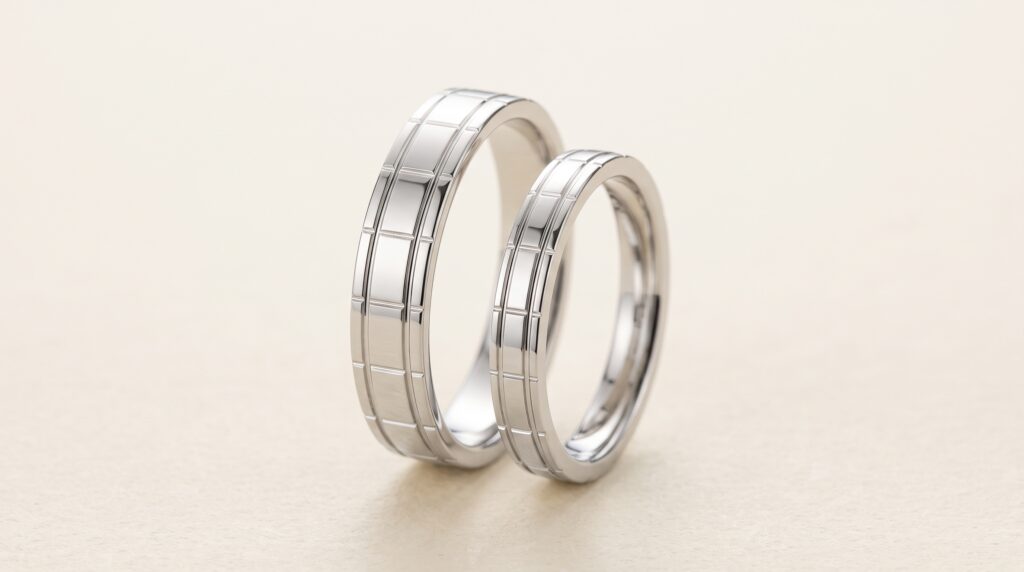
Before ordering, verify the exact material and alloy composition listed on the product page, not just a general category name. Check the seller’s return policy, particularly whether it covers sizing issues after you’ve worn the ring briefly. Look for high-resolution photos taken from multiple angles rather than only rendered or stock images, since actual finish and construction quality are easier to judge from real photos. Confirm the sizing chart is specific and detailed rather than generic, and check whether the listing accounts for comfort-fit sizing differences if that’s the style you’re choosing. Review the warranty terms, including what’s covered and for how long. If you have any skin sensitivity concerns, confirm whether the alloy is nickel-free before ordering rather than assuming.
Wedding Band Care and Maintenance
Daily cleaning with mild soap and warm water keeps most metals looking their best; a soft cloth or brush handles routine buildup without introducing new scratches. Store the ring separately from other jewelry when it’s not being worn, since contact between pieces causes avoidable surface scratching. Limit exposure to harsh chemicals, including chlorine from pools and hot tubs, which can affect certain alloys over repeated contact. Scratch maintenance varies by material: tungsten rarely needs it since it resists scratching so well, while gold and stainless steel benefit from occasional polishing to restore shine. Periodic inspection, checking for cracks, loose settings if the ring includes stones, or unusual wear, helps catch problems early regardless of which material you’ve chosen.
| Material | Cleaning Frequency | Scratch Maintenance | Long-Term Notes |
| Titanium | Weekly, mild soap and water | Minimal; occasional professional polish if desired | Cannot be resized; get sizing right upfront |
| Tungsten | As needed; rarely needs attention | Rarely necessary | Avoid hard impact; not resizable |
| Stainless Steel | Weekly, mild soap and water | Occasional polishing restores shine | Budget-friendly with reasonable upkeep |
| 14K Gold | Weekly, mild soap and water | Periodic professional polishing | Can be resized; may need occasional prong or setting checks |
| Cobalt Chrome | Weekly, mild soap and water | Minimal | Newer material; check manufacturer-specific care guidance |
| Silicone | Rinse as needed | Not applicable | Replace periodically as material wears |
Frequently Asked Questions
Can affordable wedding bands last a lifetime?
Many can, depending on the material and how it’s cared for. Titanium, tungsten, and cobalt chrome are all capable of holding up to decades of daily wear when the construction is solid and the ring is sized correctly from the start. Price alone doesn’t determine longevity; material choice, construction quality, and how the ring is worn matter more than what you paid for it.
Is stainless steel considered real jewelry?
Yes. Stainless steel is a legitimate, widely used jewelry material, not a substitute or imitation metal. It offers real durability and tarnish resistance at a lower cost than precious metals, and it’s a genuine choice rather than a compromise, particularly for buyers prioritizing budget and low maintenance over resizing flexibility or traditional gold content.
What is the most durable affordable wedding band material?
It depends on what “durable” means for your situation. Tungsten offers the best resistance to scratching and surface wear of any common affordable material, but it can crack under hard impact. Titanium and cobalt chrome offer a better balance of scratch resistance and impact tolerance, making them more forgiving for active, hands-on lifestyles. There’s no single most durable option across every measure.
Can titanium or tungsten rings be resized?
No, generally not. Both metals are too hard for standard jewelry resizing tools to adjust safely. Titanium can occasionally be resized by a specialist jeweler with the right equipment, but it’s not something to count on, and tungsten cannot be resized under any circumstances. Getting an accurate size before ordering is essential for both.
Do affordable rings tarnish?
It depends on the material. Titanium, tungsten, stainless steel, and cobalt chrome all resist tarnish well and don’t require the kind of ongoing polish that some traditional metals do. 14K gold can develop a dulled surface over time from scratching and daily wear, though this is corrected with occasional polishing rather than representing true tarnish.
Are silicone wedding bands safe for daily wear?
Yes, and they offer specific safety advantages over metal rings in certain situations, since they’re non-conductive and typically designed to break away under pressure rather than trap a finger around machinery or equipment. They wear out faster than metal bands and need periodic replacement, which is a normal part of owning one rather than a defect.
What metal is best for sensitive skin?
Titanium in high-purity grades has a strong track record for hypoallergenic wear, and nickel-free alloys of stainless steel or white gold are also reasonable options if you have known sensitivities. The American Academy of Dermatology’s guidance on nickel allergy notes that nickel is one of the most common causes of allergic contact dermatitis, which is why checking whether a specific alloy contains nickel matters more than relying on the general material category alone.