
His and Hers Wedding Band Sets: How to Choose Coordinated Rings With Confidence
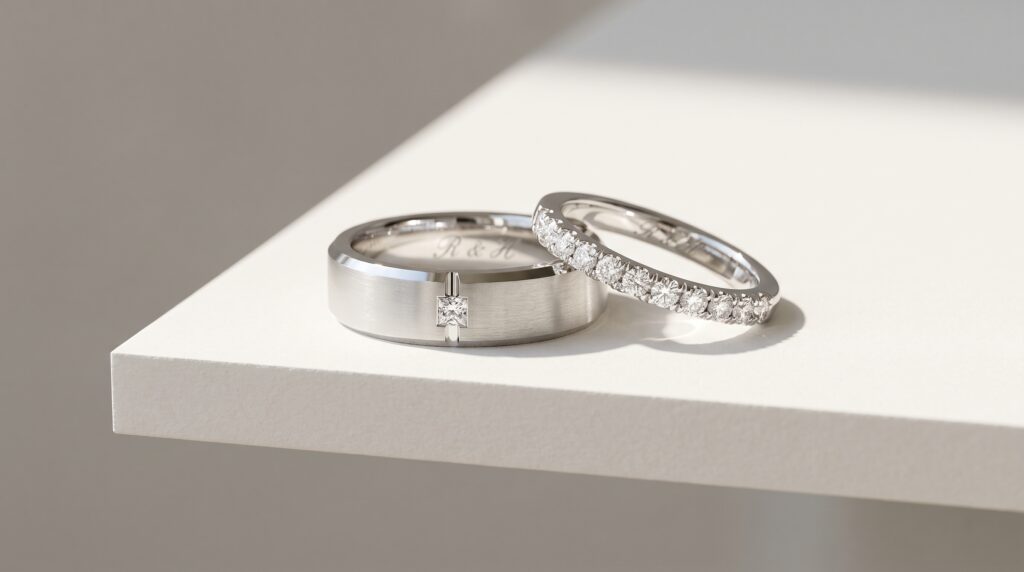
Most couples shopping for wedding bands together eventually hit the same question: do our rings need to match? The honest answer is no, not exactly, and treating “matching” as the only way to feel connected often leads couples toward a compromise neither partner actually wants. A wider, more durable band for one partner and a […]
Modern Wedding Bands: A Complete Guide to Styles, Materials, and Everyday Wear
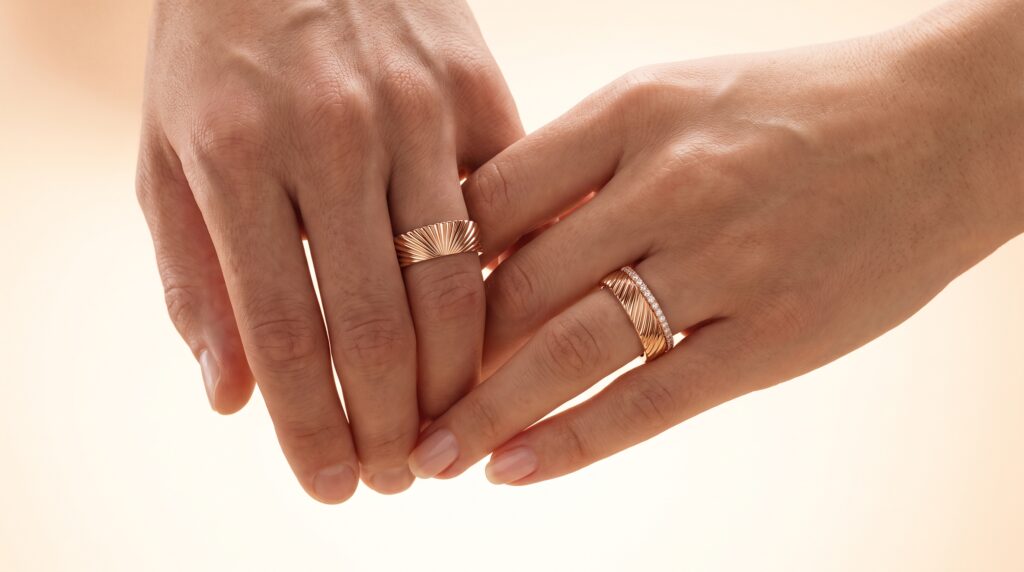
Modern wedding bands come in more materials than any previous era of jewelry: titanium, tungsten, ceramic, palladium, carbon fiber inlays, none of which were standard wedding band options a few decades ago. That variety is the appeal, and it’s also the source of most buyer confusion, since each material behaves differently on the hand and […]
Vintage Wedding Bands: How to Choose a Timeless Ring With Confidence
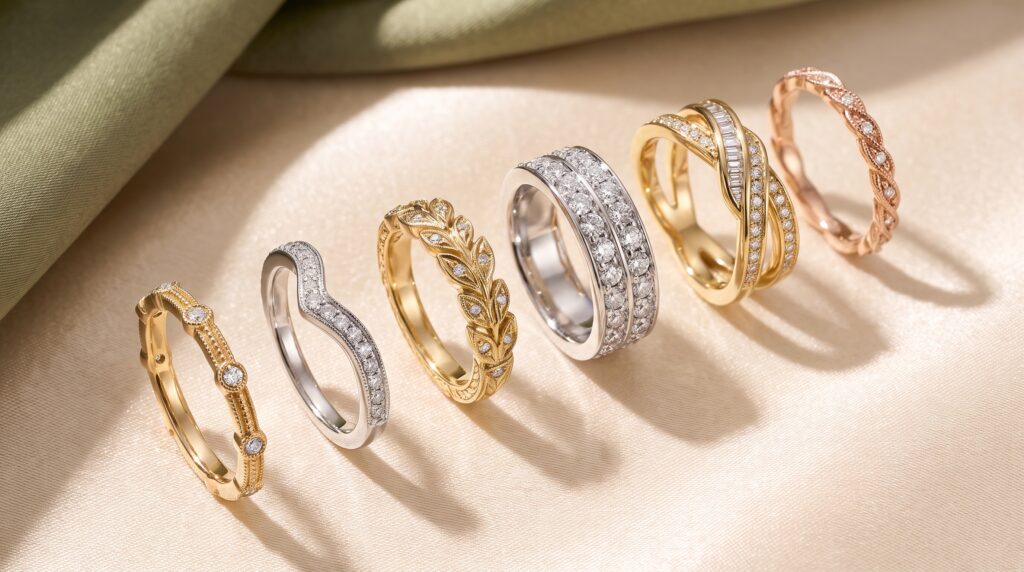
A vintage wedding band carries something a brand-new ring can’t replicate: decades of design history compressed into a single object, plus (if it’s authentic) the specific hand of a jeweler who worked before mass production standardized most of what’s sold today. That’s the appeal. The hesitation that usually follows is practical: is it sturdy enough […]
Budget Friendly Wedding Bands: How to Choose a Ring That Balances Style, Durability, and Value
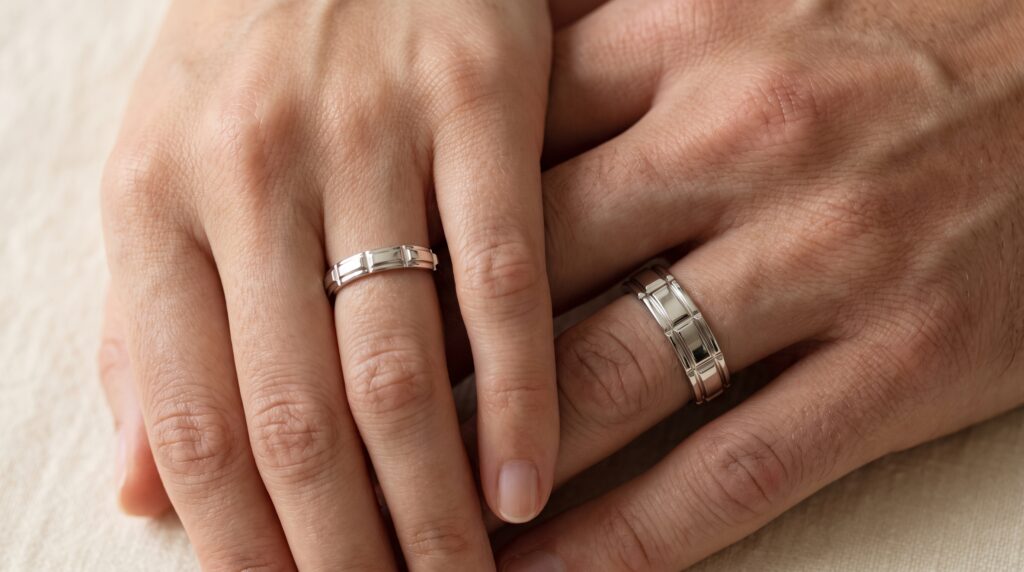
A lower price tag on a wedding band doesn’t automatically mean a weaker ring. Some of the most durable wedding band materials on the market, titanium, tungsten, stainless steel, cobalt chrome, cost less than traditional gold or platinum, not because they’re inferior, but because the manufacturing process and material cost work differently. The real question […]
Wedding Bands for Active Jobs: A Practical Guide to Durable, Comfortable Rings
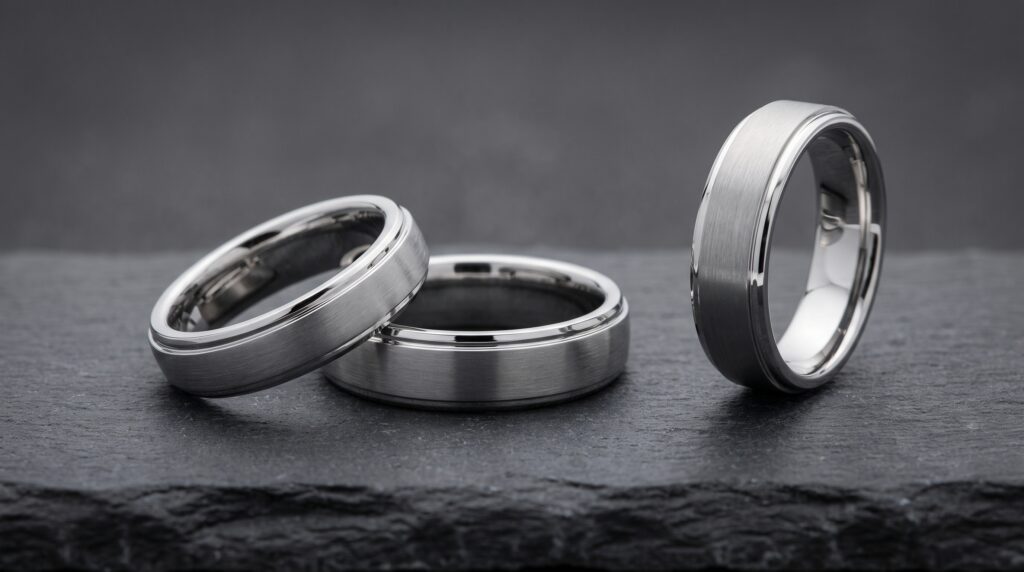
A wedding band worn behind a desk faces a different life than one worn on a construction site, in an operating room, or under a mechanic’s gloves. Impact, chemicals, friction, moisture, and machinery all put demands on a ring that go well beyond normal daily wear, and the ring that looks perfect in a jewelry […]
White Gold Wedding Bands: A Complete Guide to Karat, Rhodium Plating, Durability, and Care
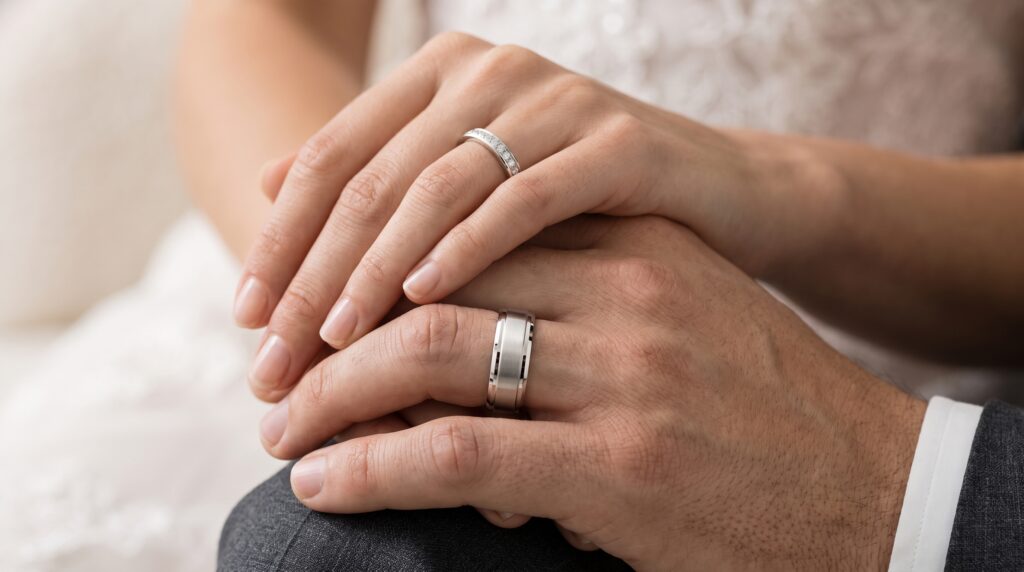
White gold looks a lot like platinum sitting in a display case, and that’s exactly the confusion that trips up most buyers. It isn’t. White gold gets its bright white shine from a plating process, not from the metal itself, and understanding that one fact changes how you should think about karat, maintenance, and what […]
Rose Gold Wedding Bands: A Complete Guide to Color, Karat, Durability, and Style
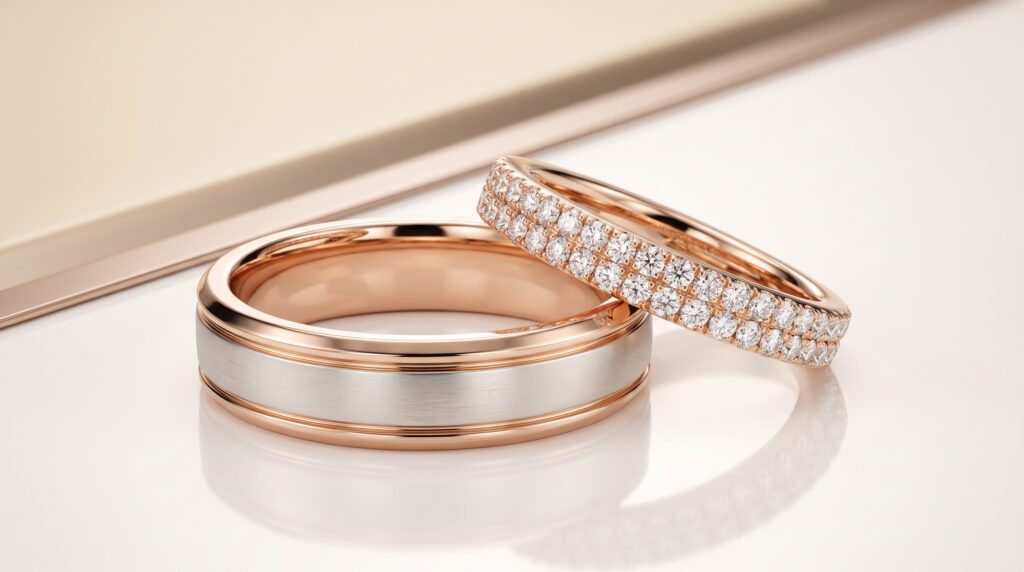
Rose gold’s pink tone isn’t a coating and it isn’t a trend color mixed in for effect. It comes from copper, alloyed directly into the gold, and how much copper goes in determines whether the ring reads as a deep, warm blush or a paler rose. That distinction matters more than most buyers realize, because […]
Yellow Gold Wedding Bands: A Complete Guide to Karat, Color, Durability, and Style
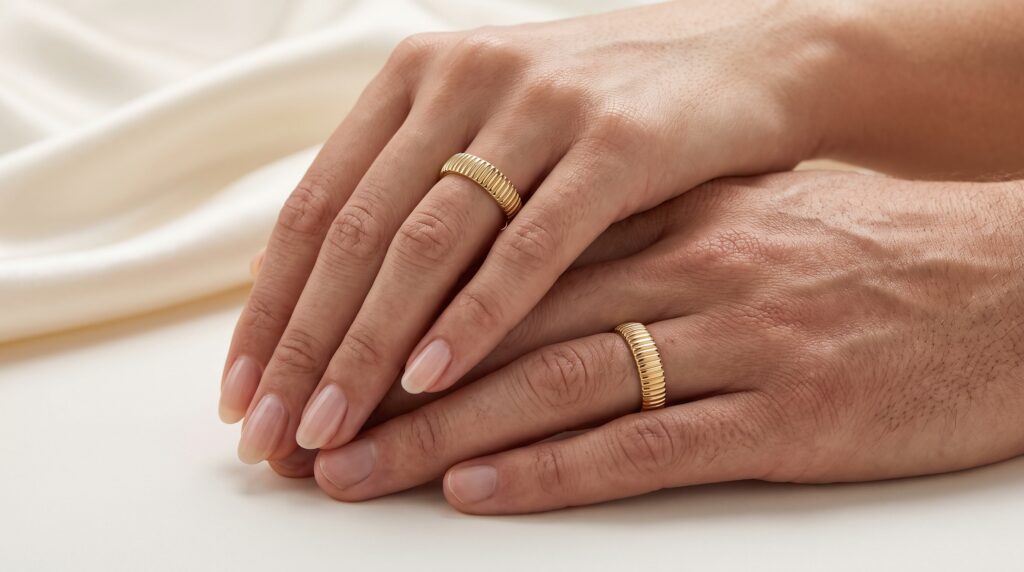
Yellow gold is the wedding band metal most people picture when they think of a wedding ring, but that familiarity hides a real decision: which karat. 10K, 14K, and 18K all look similar under store lighting, yet they differ enough in color, hardness, and price that picking the wrong one can mean a ring that […]
Platinum Wedding Bands: A Complete Guide to Durability, Comfort, and Timeless Style
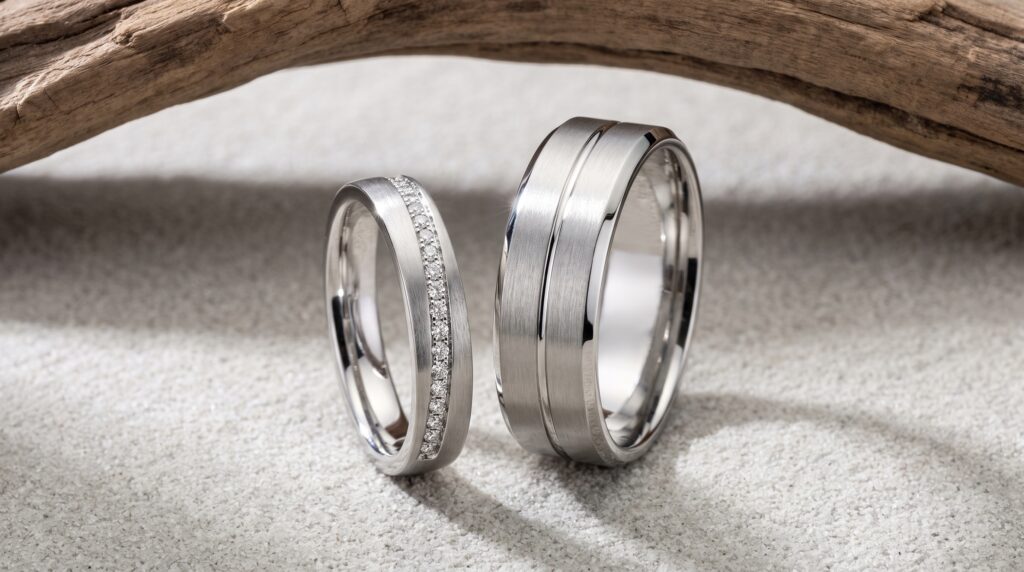
Platinum gets described as the premium wedding band metal more often than any other, but most buyers can’t say exactly why. Is it just white gold with a higher price tag? Does it scratch less, or just scratch differently? What does the “Pt950” stamp on the inside of the band actually mean? Those questions matter […]
Tungsten vs Titanium Wedding Bands: How to Choose the Right Metal for Your Lifestyle
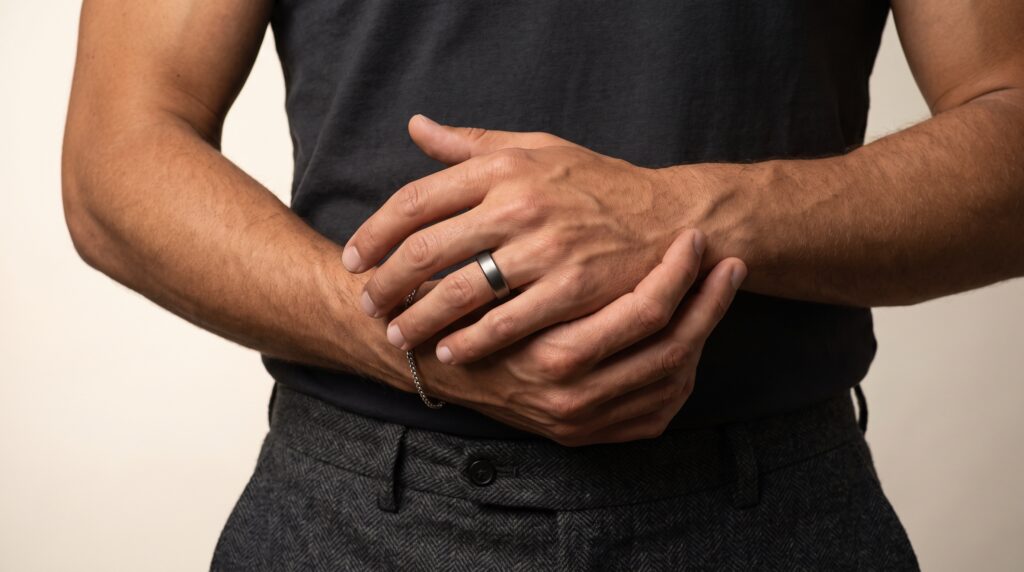
Tungsten and titanium wedding bands get lumped together as “durable alternative metals,” but they don’t behave the same way on your hand. Tungsten resists scratches better than almost anything else on the market. Titanium is a fraction of the weight and flexes instead of cracking under pressure. Neither fact makes one metal universally better. It […]